
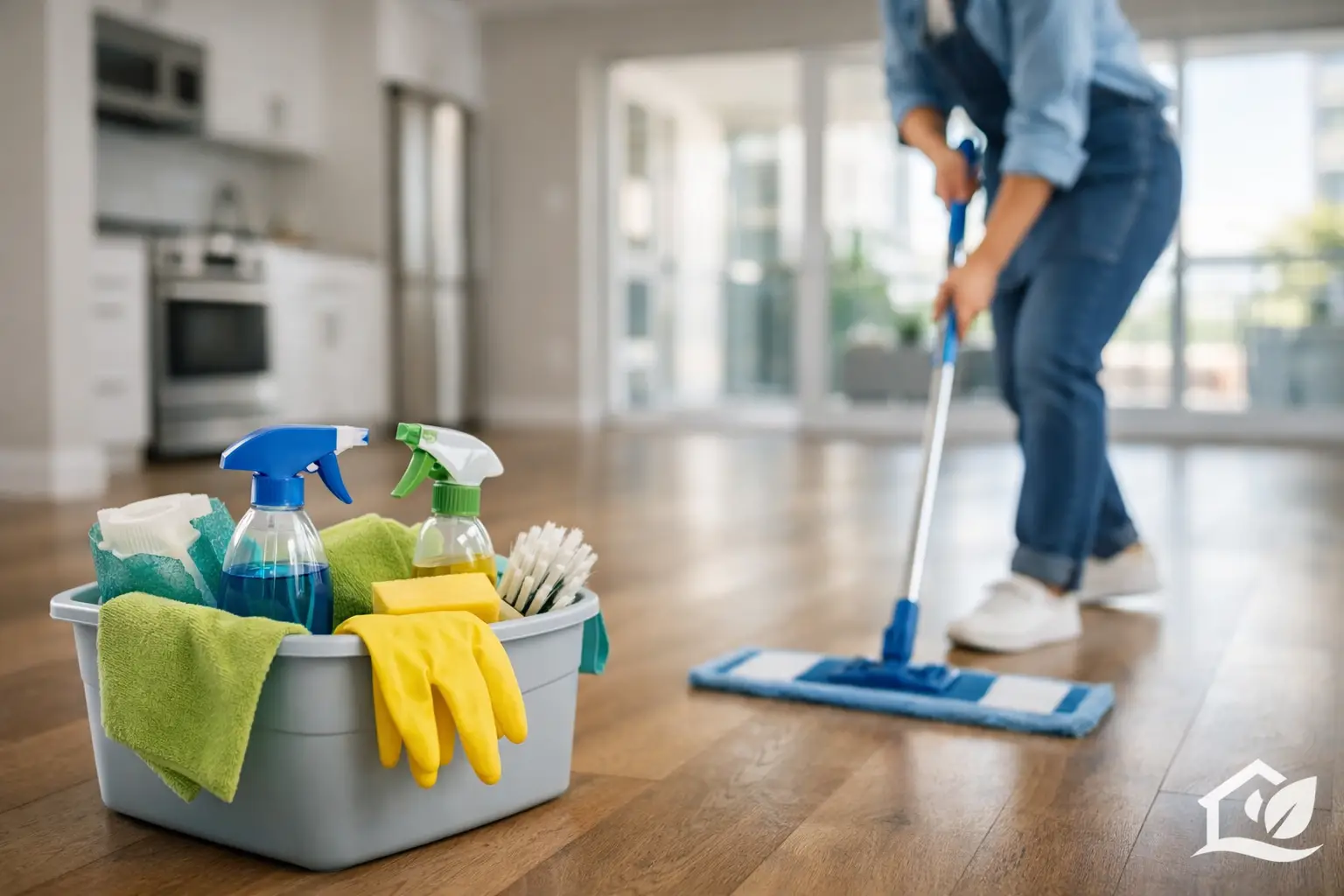
The keys are in your hand, the lease is signed, and the apartment may look acceptable at first glance. But apartment cleaning before move-in is the moment to address the spots that are easiest to miss once furniture, boxes, and daily routines take over. Starting with a clean space gives you more control over your home, especially in high-touch areas such as kitchen cabinets, bathroom fixtures, switches, and floors.
A landlord or previous tenant may have completed a basic turnover cleaning, but “clean” can mean different things to different people. A practical move-in cleaning focuses on sanitation, dust removal, and the areas that will affect your comfort from the first night in the apartment.
Clean Before the Boxes Arrive
The best time to clean is after you have access to the apartment but before movers arrive. Empty rooms allow you to reach baseboards, closet shelves, interior cabinets, and the floor space behind appliances. If you wait until after unpacking, the same work takes longer and becomes much more frustrating.
Start by taking a quick walk-through with your phone. Photograph stains, damage, worn flooring, chipped fixtures, or anything that needs to be documented with the property manager. Cleaning should not erase evidence of an existing issue. If you find mold, pest droppings, a strong odor, or a maintenance concern such as a leaking pipe, report it before trying to solve it with cleaning products.
Then work from high to low. Dust ceiling fans, vents, light fixtures, and shelves first. Wipe walls and high-touch surfaces next, then finish with floors. This order prevents dust and debris from settling on areas you have already cleaned.
Your Apartment Cleaning Before Move-In Checklist
Move-in cleaning does not need to mean scrubbing every square inch of the apartment. Put your time and attention where it matters most: the kitchen, bathroom, sleeping areas, and frequently touched surfaces.
Start with the kitchen
The kitchen deserves the most detailed work because it combines food preparation, grease buildup, and hard-to-reach storage areas. Empty cabinets and drawers, then vacuum out crumbs and wipe the interiors with a gentle cleaner. Let them dry fully before lining shelves or putting away dishes.
Clean the refrigerator inside and out, including shelves, drawers, door seals, and the handle. If the refrigerator has been unplugged, check for lingering moisture or odor before loading groceries. Wipe the stovetop, oven door, range hood, microwave interior, and countertop edges. Grease often hides on cabinet handles, backsplash grout, and the area around the stove.
Run hot water through the sink, inspect the disposal if there is one, and disinfect the faucet handles. A slow drain is not a cleaning issue, so document it and notify management rather than relying on harsh drain chemicals.
Give the bathroom a true reset
Bathrooms need both cleaning and disinfecting. Begin with the exhaust fan cover, light fixture, and any dust on walls or vents. Then clean the vanity, drawers, mirror, tub or shower, toilet, and floor.
Pay close attention to grout, caulk, shower tracks, faucet bases, and the underside of the toilet seat. These areas can hold soap residue, mineral buildup, and bacteria even when the bathroom appears tidy. If caulk is cracked, grout is heavily stained, or you see signs of mildew that return after cleaning, ask the property manager to evaluate it.
Use products as directed and allow disinfectants to sit for the recommended contact time. Spraying and immediately wiping a surface may make it look better, but it may not provide the sanitation result you expect.
Address bedrooms, closets, and living areas
Bedrooms and living rooms usually require less intensive cleaning, but they are where dust becomes most noticeable after you settle in. Wipe closet shelves, rods, window sills, baseboards, blinds, door frames, and switch plates. Check behind closet doors and in corners where dust or debris can collect.
Vacuum carpeting slowly, including closet floors and edges along the walls. For hard flooring, vacuum or sweep first, then mop with a product suited to the material. Too much water can damage laminate and some wood-look floors, so a lightly damp microfiber mop is often the better choice.
If the apartment has a noticeable pet, smoke, or cooking odor, identify the source before covering it with fragrance. Odors may be trapped in carpet, upholstery, filters, or cabinets. A property manager may need to address a persistent issue, particularly if it affects your ability to comfortably use the space.
Do Not Skip the High-Touch Details
A few small surfaces make a meaningful difference in a newly cleaned apartment. Wipe door handles, cabinet pulls, thermostat controls, remote controls left behind by management, light switches, outlet covers, and appliance buttons. Clean window locks and handles as well, especially if you plan to open windows regularly.
Replace or clean items that belong to you, such as a toilet seat if preferred, shower curtain liner, air vent filters where permitted, and entry mats. For filters and permanent HVAC components, check your lease or ask management first. Not every maintenance item is a tenant responsibility.
This is also a good time to test smoke detectors, carbon monoxide detectors, locks, and faucets. These tasks are not part of cleaning, but an empty apartment makes it easier to identify a concern before move-in day becomes busy.
Choose Safer Products for Your New Home
Strong-smelling products can make a room feel freshly cleaned, but a heavy fragrance is not proof of a clean surface. For everyday move-in cleaning, choose products that are appropriate for the surface and use them with good ventilation. Eco-friendly options can be especially useful in smaller apartments, homes with children or pets, and households sensitive to harsh fumes.
Read labels carefully. Never mix bleach with ammonia, vinegar, or other cleaners. Mixing products can create dangerous fumes, even when each item is safe on its own. Use gloves when needed, open windows when weather permits, and keep cleaning products away from children and pets.
The right approach depends on the apartment’s condition. A lightly used unit may only need dusting, wiping, and floor care. A unit with built-up grease, bathroom residue, or neglected floors may require more time or specialized products.
When Professional Move-In Cleaning Makes Sense
Hiring help can be a practical decision when your move is already packed with deadlines. Professional cleaning is particularly helpful if you are coordinating movers, starting a new job, managing a family move, or taking possession of an apartment that needs more than a quick refresh.
It may also be the better choice when you need detailed kitchen, bathroom, cabinet, and floor cleaning or an extra set of eyes before you unpack. A trained cleaning team can work through an empty apartment efficiently and bring the right supplies for different surfaces.
For renters in Harford County, Trademark Cleaning provides dependable residential cleaning with eco-friendly options that support a cleaner, more comfortable start. Requesting a quote before your move date gives you time to schedule service around key pickup, inspections, and delivery windows.
Set Yourself Up for an Easier First Week
After the cleaning is finished, keep one small box of basics accessible: paper towels, all-purpose cleaner, disinfectant, trash bags, a sponge, a microfiber cloth, and a vacuum or broom. Even a well-cleaned apartment will need small touch-ups while you unpack.
Before you bring in furniture, take a final look through each room. Open cabinets, check the refrigerator, run the shower, and make sure the floors are dry. That quiet walk-through is your chance to enjoy the work you have done and begin living in a space that feels genuinely yours.