A room can look clean and still smell wrong. Pet accidents on rugs, cooking residue near cabinets, damp towels, bathroom odors, and lingering smoke all have one thing in common: the odor has a source. So, do green cleaners remove odors? Often, yes — but the result depends on whether the product reaches and treats the material causing the smell instead of simply covering it up.
Eco-friendly cleaning is not just about choosing a product with a pleasant scent or avoiding harsh fumes. Effective green cleaning focuses on removing soil, grease, bacteria, organic residue, and moisture that can create odors in the first place. For homes, that approach can improve indoor comfort without relying heavily on strong chemical fragrances.
How Green Cleaners Remove Odors
Odors are made up of tiny airborne compounds released from a source. A trash can may smell because of food residue inside it. A bathroom may smell because of buildup around drains, floors, or fixtures. Upholstery can hold cooking oils, body oils, pet dander, and spills long after the surface appears clean.
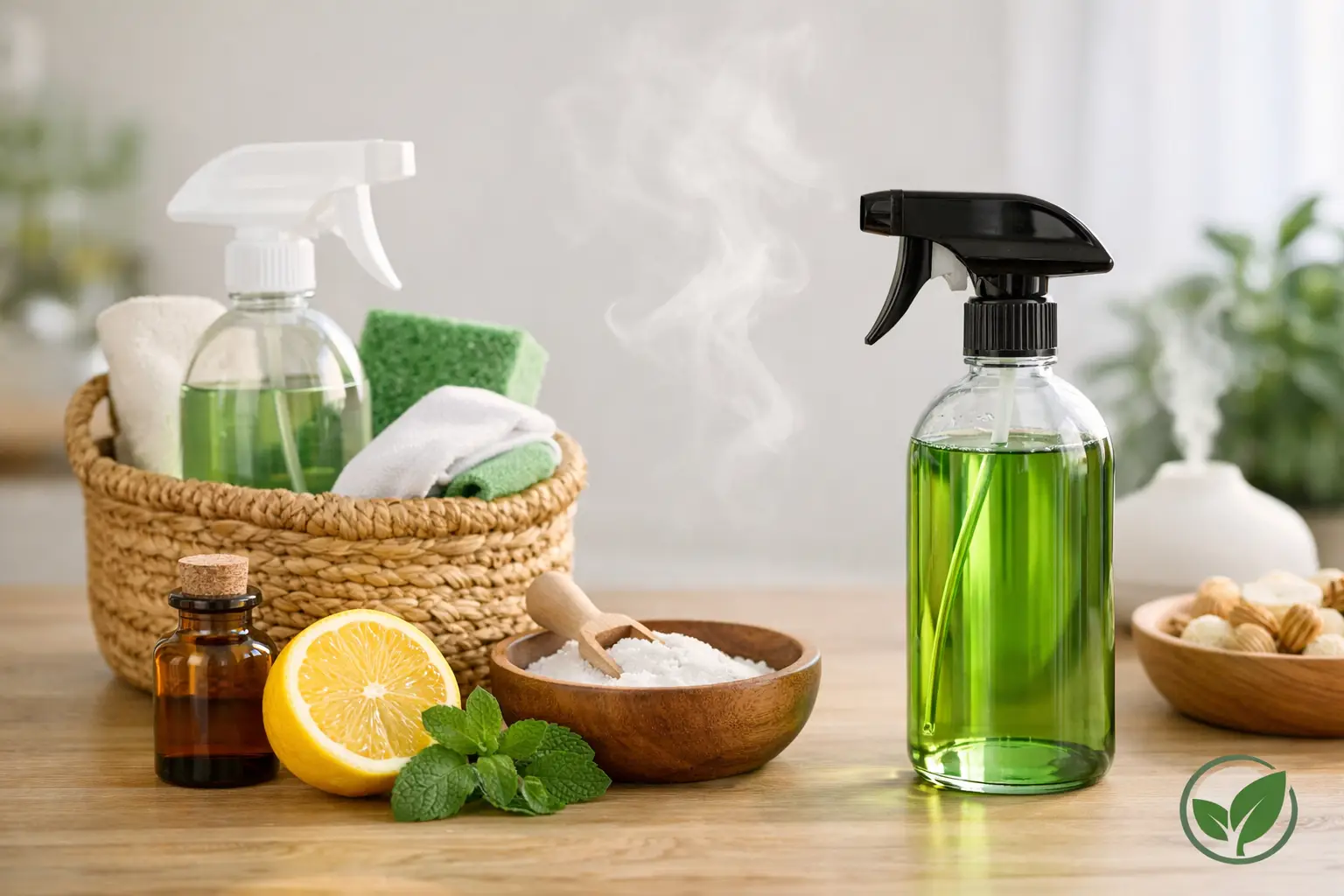
A quality green cleaner works by lifting, breaking down, or neutralizing that residue. Plant-based surfactants, for example, help loosen dirt and oils so they can be wiped or rinsed away. Enzyme-based cleaners can be especially useful for organic messes such as pet urine, food spills, and vomit because enzymes break down the material that feeds the odor.
Some eco-conscious products also use ingredients such as baking soda, citric acid, or mild oxidizing agents. These may help neutralize odors, cut through mineral buildup, or clean greasy surfaces. The key is that the product must match the problem. A general-purpose cleaner may freshen a countertop, but it may not solve a urine odor that has soaked through carpet backing or a musty smell caused by moisture behind a wall.
Green Cleaners vs. Fragrance-Based Odor Control
A strong fragrance can make a room smell cleaner for a short time, but fragrance alone does not remove the source of an odor. In some cases, it simply mixes with the existing smell, creating a stronger and less pleasant result. This is one reason many households prefer low-fragrance or fragrance-free green cleaning options.
The advantage of an odor-removing cleaner is not that it smells stronger. It is that it addresses the residue producing the smell. In a family home, that may mean treating pet areas, laundering washable fabrics, cleaning waste containers, and cleaning floors where spills collect.
There is a trade-off to keep in mind. Some conventional products can provide fast results on severe grease, mildew, or disinfecting needs. Green products vary widely in performance, so a label that says “natural” is not a guarantee that a cleaner will handle every odor or sanitation concern. The right product, contact time, cleaning method, and follow-up care matter more than the marketing language on the bottle.
When Eco-Friendly Cleaning Works Best
Green cleaners are often effective for everyday odors caused by common household buildup. Kitchen smells, bathroom odors, light pet smells, food spills, trash can residue, and stale fabric odors can often improve with consistent cleaning and proper ventilation.
For kitchens, cleaning grease from cabinet fronts, backsplashes, stovetops, appliance handles, and floors can make a noticeable difference. Grease holds onto odor, particularly after frequent frying or cooking with strong spices. Wiping surfaces is helpful, but periodic detail cleaning is what prevents the smell from becoming permanent.
In bathrooms, odors commonly come from moisture and buildup rather than a single obvious mess. Green cleaners can help clean sinks, toilet exteriors, floors, grout, shower areas, and trash receptacles. Ventilation is equally important. If a bathroom stays humid after every shower, mildew and musty odors may return regardless of which cleaner is used.
For pet-related odors, enzyme cleaners are usually the better choice when the source is urine or another organic accident. The treated area needs to be fully saturated to the same depth as the original spill. If only the carpet surface is cleaned while the pad underneath remains affected, the odor can return when humidity rises.
When a Cleaner Alone Is Not Enough
Persistent odors are a signal to look deeper. If a smell returns shortly after cleaning, there may be hidden moisture, contaminated fabric, an uncleaned drain, or a building issue that requires attention.
Musty odors deserve particular care. They can come from damp basements, wet carpet, leaking plumbing, roof issues, poorly ventilated bathrooms, or HVAC concerns. Cleaning the visible surface may help temporarily, but the moisture source must be corrected. Otherwise, mildew or mold can continue to develop.
Smoke odors can also be difficult because smoke particles settle into walls, ceilings, drapes, carpets, and HVAC systems. Green cleaning methods can reduce surface residue and freshen washable materials, but heavy smoke damage may require specialized restoration steps. The same is true for serious sewage backups, extensive mold growth, or odors from dead animals inside walls or vents.
Practical Ways to Get Better Odor Results
Start by identifying where the odor is strongest. Check soft surfaces, corners, waste containers, drains, floor edges, appliances, and areas near pets. Cleaning only the center of a room rarely resolves an odor that is coming from a hidden or high-use area.
Use the right type of eco-friendly cleaner for the material and source. A degreaser is useful for kitchen residue, while an enzyme product is better for organic stains. For fabrics, follow care labels and avoid over-wetting upholstery or carpet, which can create new moisture problems.
Give the cleaner enough time to work. Spraying and immediately wiping may not allow a product to break down residue. Follow the label instructions, especially for enzyme cleaners and disinfecting products. Then remove the loosened soil with a clean cloth, mop, or other method suited to the surface rather than spreading it to another area.
Do not overlook airflow. Opening windows when weather permits, running bathroom exhaust fans, emptying trash regularly, and allowing cleaned carpets to dry completely all support better odor control. Fresh air does not replace cleaning, but it prevents moisture and stale air from undoing the work.
Do Green Cleaners Remove Odors in Professional Cleaning?
Yes, green cleaners can be part of an effective professional odor-control plan when they are selected and used correctly. Professional cleaning is especially helpful when odors involve routine kitchen or bathroom residue, high-traffic floors, washable surfaces, or a home being prepared for a move.
At Trademark Cleaning, eco-friendly cleaning solutions can be used as part of a practical approach to residential cleaning. For customers across Harford County, the goal is simple: clean the surfaces that hold odor-causing residue and help maintain a fresher home without unnecessary chemical-heavy methods.
The best results come from regular care, not one emergency cleaning after odors have become overwhelming. Kitchens, bathrooms, rugs, trash areas, and common spaces stay easier to manage when soil and moisture are addressed before they settle in.
A cleaner should leave more than a pleasant scent behind. When the source of the odor is removed and the space is kept dry, ventilated, and routinely cared for, a home has a better chance of feeling genuinely fresh.